
 By
Privacy advocates have a new champion in Washington as lawmakers take aim at mass surveillance technologies. Senator Bernie Sanders has introduced a groundbreaking piece of legislation designed to completely ban the federal government from utilizing automated license plate readers (ALPRs) supplied by tech companies like Flock Safety.
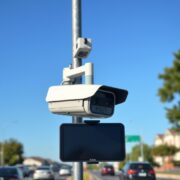
As modern cities increasingly resemble high-tech panopticons, the proliferation of automatic license plate readers has quietly transformed urban and suburban streets into continuous tracking zones. This newly proposed federal bill targets not just one specific vendor, but the entire ecosystem of government-adjacent automated tracking equipment that critics argue undermines fundamental civil liberties.
The Expanding Threat of Automated License Plate Readers
For years, police departments, local municipalities, and federal agencies have integrated automated license plate readers to monitor vehicular movement. These networks capture millions of high-resolution images daily, logging timestamps, exact locations, and vehicle details into vast searchable databases.
While proponents argue these tools are essential for fighting crime and locating stolen vehicles, civil rights organizations point out a darker reality. The constant harvesting of location data creates an intimate blueprint of everyday citizen movements, tracking visits to medical clinics, places of worship, and political protests without a warrant.
Why Federal Regulation is Long Overdue
Until now, regulation of ALPR technology has been a patchwork quilt of state and local ordinances, leaving massive loopholes for federal law enforcement agencies. By cutting off federal funding and procurement pathways for these tracking systems, the proposed legislation attempts to draw a hard line in the sand regarding government overreach.
- Prohibits federal agencies from purchasing or deploying commercial ALPR technology.
- Aims to curb warrantless mass surveillance on American public roadways.
- Addresses growing bipartisan concerns over the security and privacy of citizen location data.
What This Means for the Future of Public Privacy
The legislative push against automated license plate readers signals a cultural shift in how lawmakers perceive surveillance tech. As facial recognition and smart tracking tools become cheaper and more pervasive, the pushback from privacy advocates is finally translating into concrete policy proposals.
Whether this bill will survive the legislative gauntlet remains to be seen, but it fundamentally changes the conversation around digital tracking. The days of unchecked municipal and federal surveillance might just be numbered.














Comments