
 By
Tesla has officially announced plans to start selling its highly anticipated Cybercab to customers by the end of the year. This aggressive timeline comes even as federal regulators continue investigating whether the unorthodox vehicle meets standard automotive safety requirements.
Inside the Design of the Autonomous Cybercab
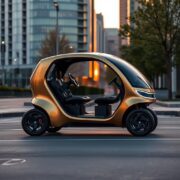
The gleaming, gold-hued autonomous two-seater is designed entirely around the premise of self-driving capability. Most notably, the Cybercab completely lacks a steering wheel, pedals, and other traditional manual driver controls. Passengers step into a minimalist cabin engineered strictly for a hands-off riding experience.
Regulatory Hurdles and Safety Probes
Launching a vehicle without a steering wheel is no small feat, especially in the United States. Federal safety watchdogs are currently scrutinizing whether the Cybercab complies with existing Federal Motor Vehicle Safety Standards (FMVSS). Tesla leadership remains unfazed, pushing forward with manufacturing and commercial rollout plans despite the ongoing federal scrutiny.
Engineering Perspective and Production Timeline
During the company’s recent third-quarter earnings call, Tesla executives shed light on the aggressive production roadmap. Lars Moravy, vice president of engineering at Tesla, emphasized that the supply chain and manufacturing lines are ramping up rapidly to hit the end-of-year sales target.
- Gold-hued exterior finish optimized for fleet visibility
- Zero traditional driver controls or steering column
- Fully autonomous navigation powered by Tesla’s latest AI hardware
As the deadline approaches, all eyes will be on Tesla to see if it can successfully deliver a steering-wheel-free vehicle to everyday consumers while navigating complex regulatory landscapes.

















Comments