
 By
By When Elon Musk sets his sights on transforming an industry, he doesn’t just participate—he rewrites the entire playbook. The artificial intelligence landscape just shifted dramatically as SpaceX officially finalized its high-profile acquisition of AI coding startup Cursor.
This blockbuster deal follows a rapid trajectory that began earlier this year when initial partnerships sparked rumors across Silicon Valley. What started as a collaborative tech agreement quickly escalated into a massive $60 billion buyout option, culminating just months after SpaceX’s monumental public offering.
Inside the $60B Mega-Deal
The marriage between SpaceX and Cursor represents far more than a typical tech acquisition. By bringing the popular AI coding assistant under its expansive corporate umbrella, SpaceX is securing specialized software engineering talent to match its hardware dominance.
The deal ties directly into Musk’s broader artificial intelligence ambitions, creating a pipeline where software meets physical infrastructure. Key elements of the integration include:
- Direct synergy with xAI operations following earlier consolidation efforts.
- Immediate deployment of engineering resources to scale automated software development.
- Deep alignment with SpaceX’s aggressive expansion into commercial computing services.
Unlocking Unprecedented GPU Power
Why did Cursor jump at the chance to join forces with a rocket company? The answer boils down to raw computational muscle and infrastructure scale. In its official closing announcement, Cursor emphasized its new access to what it calls the largest fleet of graphics processing units in the world.
As SpaceX continues ramping up revenues through major compute deals with tech giants like Google and Anthropic, the infrastructure demands are staggering. Cursor is positioning itself as the primary interface where this immense intelligence translates into practical, real-world utility.
The Broader Infrastructure Gamble
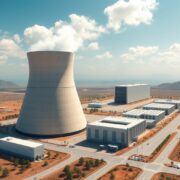
Of course, building the world’s most formidable intelligence engine comes with considerable baggage and controversy. SpaceX’s aggressive push into massive data center operations and energy generation has already drawn intense scrutiny and environmental pushback regarding local emissions.
Despite these regulatory hurdles, the momentum behind Musk’s computing empire shows zero signs of slowing down. With Cursor now officially on board, the race to build autonomous, hyper-intelligent software systems has officially entered hyperdrive.

















Comments