
 By
By Welcome back to another deep dive into the fast-moving world of tech mobility, where artificial intelligence and autonomous systems are fundamentally reshaping how we get around. If you have been keeping a close eye on the asphalt, you know the future isn’t just arriving—it is speeding past us with regulatory approval.
Zoox Clears the Regulatory Hurdle for Commercial Robotaxis
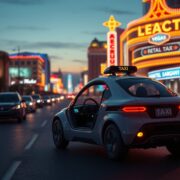
In just a few days, Amazon-owned Zoox will officially start charging cold, hard cash for robotaxi rides in Las Vegas. While the company’s custom-built autonomous vehicles have been shuttling passengers around Vegas and San Francisco for a while, none of it mattered in a true business sense until they could operate commercially.
That all changed thanks to a game-changing exemption issued by the National Highway Traffic Safety Administration (NHTSA). Because these futuristic pods lack traditional controls like steering wheels and pedals, they needed federal clearance to hit public streets. Now, Zoox has the green light to deploy a fleet of up to 2,500 commercial vehicles over the next two years.
Why This Federal Exemption Changes Everything
This ruling is a massive win for Zoox, but it also blows the door wide open for every other autonomous vehicle developer building pedal-free pods. Think about it: a robotaxi doesn’t need a physical rearview mirror when external sensors offer 360-degree digital visibility. Tesla is the obvious beneficiary here with its upcoming Cybercab, but the floodgates are officially open.
- NHTSA granted a two-year commercial exemption for up to 2,500 vehicles.
- Pedal-free and steering-wheel-free designs are now validated for public roadways.
- Competitors like Tesla’s Cybercab stand to benefit immensely from this regulatory precedent.
Uber’s $10 Billion Bet on the Autonomous Vehicle Empire
If you missed my recent breakdown of Uber’s autonomous vehicle empire, now is the time to catch up. Financial analysts and Uber CEO Dara Khosrowshahi recently confirmed a staggering commitment: the ride-hailing giant is pouring $10 billion over the coming years to deploy 120,000 driverless vehicles globally.
This massive shift relies heavily on strategic partnerships, fleet operators, and heavy-hitting investments. The ecosystem is consolidating fast, and startups that position themselves as the logistical backbone of this revolution are seeing massive windfalls.
Moove Raises $250 Million to Power the Robotaxi Backstage
Speaking of the backstage infrastructure, Moove is making waves. Starting as an African fintech startup providing vehicle financing, Moove has evolved into a mega ride-hail fleet owner managing over 42,000 vehicles across 13 countries.
Now, the Dubai-based startup has raised a $250 million Series C round led by Mubadala Investment Company, valuing the company at a cool $2.1 billion. Moove is already operating Waymo fleets in Phoenix, Miami, and Las Vegas, proving that managing the hardware is just as lucrative as building the software.
Other Major Mobility Moves Making Headlines
The transportation sector is moving at breakneck speed, with venture capital and corporate restructuring hitting all corners of the industry:
- Ford’s New EV: Ford announced its upcoming midsize EV truck, the Fathom, will start at $28,350 when it drops in 2027.
- Nvidia’s Open AI Model: Nvidia released Alpamayo 2 Super for commercial use on Hugging Face, letting automakers easily adapt advanced autonomous driving models to their own data.
- Tesla and SpaceX Terafab: Elon Musk’s companies are pouring an initial $16.8 billion into a massive advanced chip factory in Grimes County, Texas.
- Waymo Expands in Dallas: Waymo officially dropped the waitlist for its robotaxi service in Dallas, opening doors to all local residents and visitors.
The mobility landscape is morphing right before our eyes, and the companies winning today are the ones willing to bet billions on a driverless tomorrow. Stay tuned as we track every twist and turn of the autonomous revolution.


















Comments